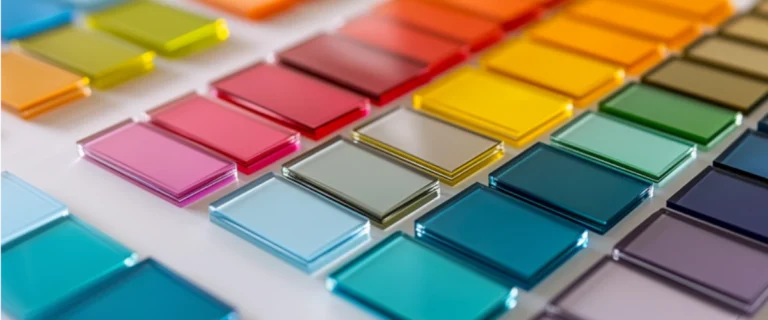
Separate waste collection is sometimes not enough. When we delve into the world of plastics recycling, we discover that it is not a foregone conclusion. That the type of polymer makes the difference, this is now known, but did you know that pigments also play a crucial and often problematic role? In fact, the absorption of light by dark plastic can interfere with automatic sorting machinery, making the recycling process difficult. This is especially true for carbon black pigmented polymers, creating a dilemma for manufacturers and recyclers. Don’t worry, however, a solution exists and we will reveal it to you: the secret is in reflective NIR masterbatches.
Carbon black pigment in plastics
Let’s take a step back. What is carbon black? Also known as carbon black, it is a pigment widely used in the plastics and coloring industry in general. It is the basis of many recipes for dark colors, such as blacks, grays, browns and blues. It is appreciated for its coloring strength and competitive price. It comes from the combustion of organic substances, mainly petroleum products and vegetable oils, and this gives it its characteristic deep black color . However, when it comes to recycling, carbon black presents a significant problem: the black color absorbs infrared light, making the plastic waste that contains it unrecognizable to sorting machinery.
What is Infrared NIR Light?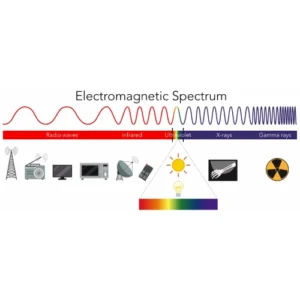
Of course, now you may be wondering “stop everyone, what does infrared light have to do with recycling?” Infrared (IR) light is a part of the electromagnetic spectrum with wavelengths longer than visible light but shorter than microwaves. The wavelengths of IR light range from about 700 nm to 1 mm. IR light is often associated with heat, as objects that give it off (such as the sun or human bodies) emit infrared radiation. NIR (Near Infra-Red) light is a specific part of the infrared spectrum with wavelengths ranging from about 700 nm to 2500 nm. It is called “near-infrared” because it is located closer to the visible part of the spectrum, just after visible red light. NIR light is often used in applications such as sensors and detectors.
NIR masterbatches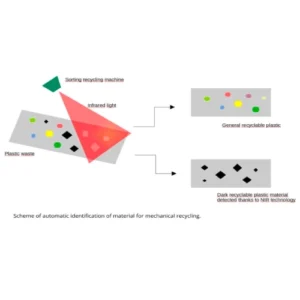
However, as we anticipated, carbon black absorbs the infrared light emitted by the optical detector to “read” the differences between polymers. This makes plastic waste invisible to sorting machinery. When a waste is not recognized, it cannot be directed to the appropriate recycling stream, hindering efforts for sustainable waste management. To address this issue, masterbatch manufacturers are developing alternative solutions that allow dark plastic waste to be detected correctly. Among these solutions, at Gaypa we have formulated the NIR masterbatch line. These are dark color formulations that stand out for their ability to replicate the hues and opacity of carbon black without interfering with the optical sorting process. In practice, reflective NIR pigments reflect infrared radiation rather than absorbing it.
How NIR tools work in plastic recycling
Infrared optical separators, also known as NIR detectors, use infrared light to identify and separate different types of plastics. They work by near-infrared spectroscopy. The machine scans the plastic waste that passes quickly on a conveyor belt. Each polymer has its own specific reflectance curves. During scanning, infrared light is emitted and reflected by polymers in plastic waste. The signal that the detector receives is analyzed within a few milliseconds and compared with the reference spectra in a database. Once the type of plastic has been determined, the waste is pushed to the appropriate chute.
An additional advantage
In addition to improving recycling, NIR-reflective masterbatches offer an additional benefit: they significantly reduce the surface temperature of the plastic. When light radiation is absorbed, the light is converted into heat, causing thermal build-up. Like, you know when in summer you park your black car in the sun and you find yourself cooking just after 5 minutes? Here, this is because much of the solar radiation is made up of infrared which, as we have said, heats up and is absorbed more by dark colors. However, reflective NIR masterbatches reduce absorption, decreasing heat build-up and improving the color fastness and thermal resistance of the polymer.
Why use NIR pigments
The choice of pigments in plastic production plays a crucial role throughout the life cycle of a product. From the conception of its design, to the production process, up to the final recycling, color is a fundamental element that should not be underestimated. Regarding black color management, NIR masterbatches offer an innovative solution that not only improves the detectability of dark plastic waste in sorting centers, but also brings additional benefits such as reduced heat build-up for product preservation and color stability over time. By adopting these formulations, it is possible to make a significant contribution to a more sustainable future and to the improvement of proposals for the modern market.
Are you curious to know more?
Materials science is our passion! Come and discover our line of carbon black free NIR masterbatches.