When summer arrives, how nice is it to go to the beach to relax? Feeling the sand under your feet, sunbathing on the towel, perhaps after a nice swim that leaves us with the taste of salt… A wonderful relaxing atmosphere! How many, however, have forgotten to put on sunscreen and get a severe sunburn? Come on, it has happened to everyone at least once, especially as a child! What did Mom always say? “Put on sunscreen! Please!” And we didn’t listen to it, did we? Here, you should know that plastic is like your skin: very sensitive to the sun’s rays and external agents such as humidity, salt, dust. Faded plastic could be the result of incorrect exposure. At Gaypa, we’re a bit like mom: we have to remind you to use the right products for outdoor polymers, because plastic needs UV protection too!
Plastic faded in the sun: the causes
When electromagnetic waves (aka the sun’s rays) hit a plastic surface, they can damage it. Faded plastic, color change, cracks, brittleness and warping are among the most well-known consequences. In particular, this happens when there is a strong concentration of high-frequency waves (the infamous UV rays). Focusing on color, the mutation occurs at the molecular level: light rays that encounter a pigment can break the chemical bonds of the chromophore molecules , responsible for coloring. There are several chemical reactions known as photodegradation. The most common is photo-oxidation: molecules hit by UV rays are excited and become unstable, reacting with oxygen in the atmosphere. This results in a change in the structure of the chromophore group which, by oxidizing, loses its coloristic property. Pigments containing carbon atoms are particularly sensitive to this process, which, as we told in our previous article, are called organic pigments.
Differences in solar irradiance around the world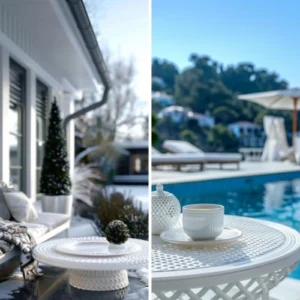
Another factor to take into account is geography. Let’s take a practical example. A coffee table in the garden of a house in Iceland after years of exposure will turn out to have a less altered color than the same model displayed for the same period of time on the poolside of a hotel in Greece. Because? This is explained by the fact that different areas of the world are affected by solar radiation in very different ways. And therefore the materials come into contact with a quantity of electromagnetic waves that can change a lot from area to area. There are also very interesting tables that show the average annual data of irradiation received for the different areas of the world. From the graphs it is evident that the intensity of UV radiation varies with latitude: the closer you get to the Equator, the greater the influence of the Sun and vice versa as you move away towards the Poles.
Faded plastic: it doesn’t just depend on the light!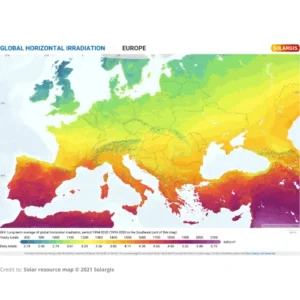
Sun exposure is not everything. The plastic of the same coffee table, in fact, could have different aging reactions if the latter were displayed on the terrace of an apartment in Japan or in the courtyard of a house in Morocco. This is because other factors can also synergize with the difficult influence of UV rays and trigger different reactions. Among these elements, humidity, dust, precipitationand salt influence the healthy maintenance of our products and are often the main cause of faded plastic. We should not be surprised, therefore, if our beach chair does not keep as well as the stool we use to go camping in the mountains!
Studies of accelerated aging
“Ok Gaypa, it’s all clear, but what can I do about it? I need solutions.” We know, now we get there. A way out exists for everything, necessarily, otherwise every year the owners of resorts in the tropics would have to change the outdoor furniture and this would be a real waste! First of all, we need to understand how the materials we intend to use react when exposed outdoors over the long term. However, we can’t just leave our plastic in the light and see what happens, because it could take months for something to happen. Therefore, experts have devised tools for accelerated aging. These are machines that simulate exposure for a relaxed period of time to solar radiation (and some more particular ones also to other meteorological factors). The most common used in the study of degradation and faded plastic are machines with UV and Xenon lamps (a very useful element, capable of reproducing the solar irradiance spectrum).
The Blue Wool Ladder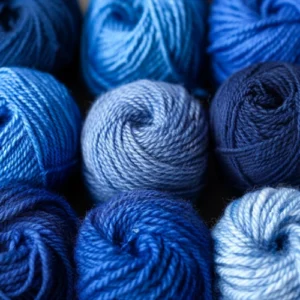
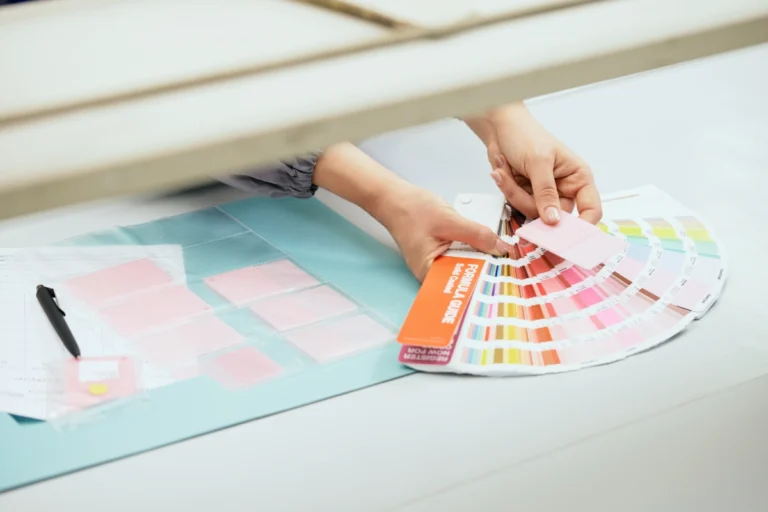
Once the pigments have undergone the accelerated aging process, they are classified according to the time of resistance to exposure. There are different scales of values that have been stipulated over time. The best known is the Blue Wool scale . Each pigment has a value ranging from 1 to 8, indicating the fastness of the color to light. To be clear, 1 is the resistance of a color that causes faded plastic as soon as it sets foot outside the house, 8 is the solidity of a pigment that left outside for a century is still intact. A curiosity: do you know why it is called the Blue Wool staircase? Because this study carried out at the dawn of pigment analysis, at the time for the textile industry, was carried out with pieces of wool cloth colored blue and exposed to the sun for a long time, to be compared with a sample carefully stored inside. Cool, right?
Solution for Faded Plastics: Durable Pigments
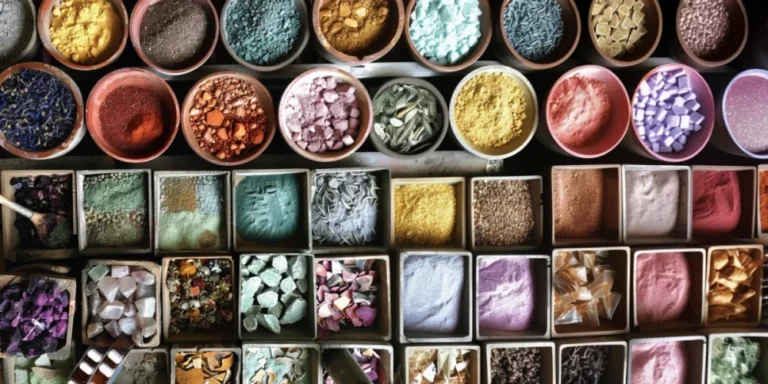
The analyses showed that inorganic pigments have a better resistance than organic pigments in terms of lightfastness. For this reason, they are the best to be used in plastics for outdoor applications. A solution, therefore, could be to create masterbatch formulations composed only of inorganic pigments. These, however, tend to be less flashy, so a second alternative could be to create a mix of pigments of different kinds, bearing in mind that organic colors will still tend to fade over time. One could, therefore, consider studying a solid inorganic base that can compensate for the faded plastic that would be created in the long term. In any case, it is useful to point out that organic pigments do not all have the same degree of vulnerability, some can be treated to improve their resistance.
Solution for Faded Plastic: Anti-UV Additives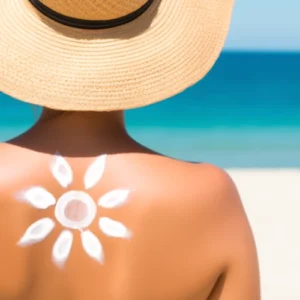
Another very practical idea is to use UV protection for plastics, i.e. anti-UV additives. These products absorb or reflect UV rays, preventing them from directly hitting the chromophore molecules of the pigments. Some of the most commonly used additives include zinc oxide and titanium dioxide compounds. They create a protective layer on the surface of the plastic, absorbing UV rays and reducing their energy. Basically, they work just like the sunscreen we put on our skin! There are different types, such as UV absorbers, Light Stabilizers (HALS) and UV blockers that involve different chemical reactions, but the concept remains the same: to defend plastic from degradation in light. They are incorporated into the plastic during the production phase and it is important to choose the type that is most compatible with the materials and the end market of our product.
Let’s design your outdoor products together
Faded plastic is never a good sign. It is not just an aesthetic factor: the functionality of an object could also be altered by exposure to sunlight, causing many safety risks. Always remember to consider the environment in which your products will be used. Choosing the right pigments and additives can really make a difference in extending the life of your project and making it a real success. Want to know more?