
Additives for plastics
Types, functions and industrial applications
When dealing with the transformation process of plastics, it is essential to search for materials capable of responding to specific needs in terms of performance, durability and aesthetic beauty; and this is precisely where additives for plastics come into play, real “special ingredients” that enrich polymer formulations by giving them very specific characteristics.
At Gaypa, which has always been at the forefront of the production of masterbatches for plastics, we are extremely aware of the importance of these key components and that is why we offer you cutting-edge solutions, capable of maximizing the quality and functionality of all your plastic products.
What are plastic additives
Plastic additives are substances that, even when used in relatively small quantities within a polymer formulation, play a vital role in improving or modifying the characteristics of the plastic material. They do not coincide, therefore, with plastic itself; rather, they consist of “enhancers” that allow the polymer to express its potential to the fullest or to acquire new ones.
Imagine plastic resin as a base and additives as the elements that make it, for example, more resistant to heat, more flexible, more protected from sunlight or less prone to scratches. Their role, in essence, is to optimize the properties of the material, making it suitable for a very wide range of industrial applications, from packaging to automotive, from construction to the medical sector. Without additives, many of the advanced applications of plastics that we take for granted today would simply be impossible to implement.

Contact us for personalized advice
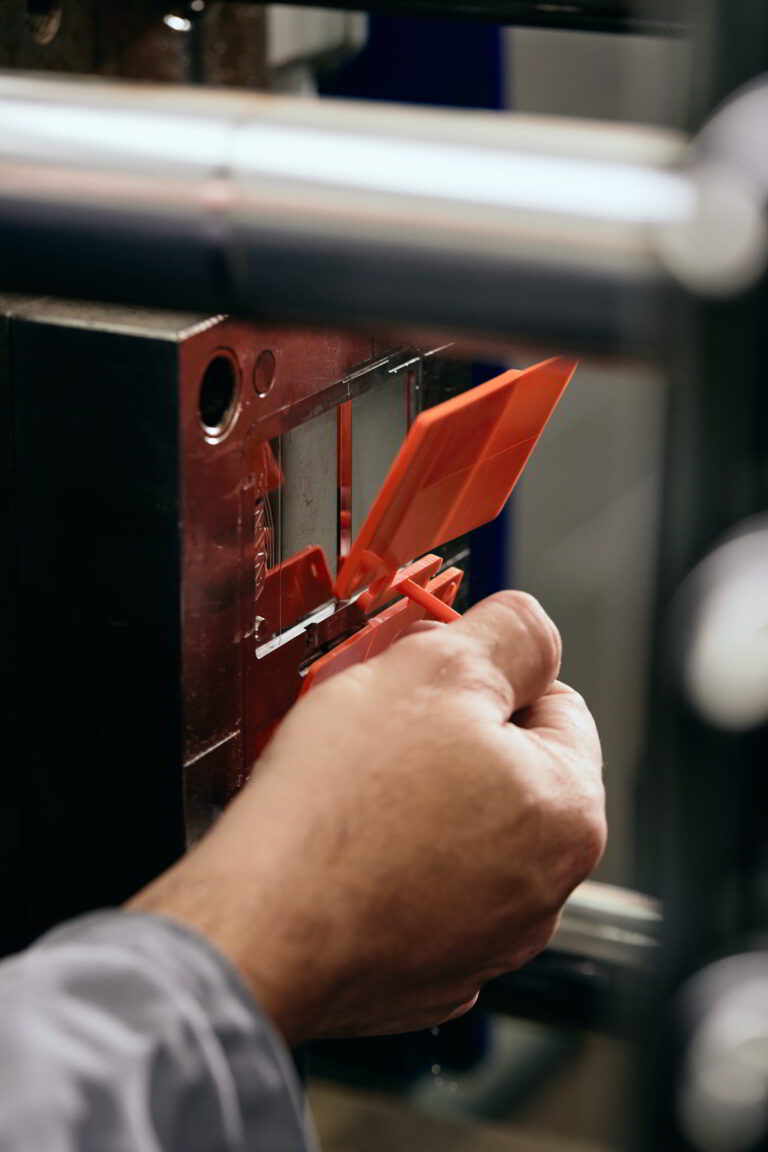
What are plastic additives used for?
- the improvement of mechanical properties, for example by increasing impact resistance, flexibility, abrasion resistance and making the product more robust and durable;
- the improvement of thermal properties, as they protect the polymer from high temperatures during processing and from accelerated aging due to heat, keeping the characteristics intact;
- the improvement of optical properties, in fact, act on transparency, brilliance or opacity and, at the same time, can prevent deterioration of color and material;
- improving processability, by optimizing the efficiency of production processes such as extrusion or injection molding, for example by facilitating the flow of molten polymer or reducing friction;
- product preservation, as they can protect the material from degradation caused by external factors such as UV light, oxygen and heat, extending its useful life.
Classification of plastic additives: our specific solutions
There are many plastic additives available, each meeting specific needs and can be classified into several main categories. It should be emphasized that almost all additives can be incorporated into masterbatches, either as individual elements or in combination with pigments; It is important to remember, in fact, that additives are mainly intended to improve the performance of the final product or the workability of the plastic raw material. As far as the preservation of the color alone is concerned, however, this depends on various factors, such as external influences, the pigments used and the specific additives added.
That said, here are the main categories:
- Process additives: these are essential to improve both production and the industrial process itself. These include lubricants, which facilitate the sliding of the polymer, antiblocking, which prevent plastic films from adhering to each other, nucleating agents, which control crystallization and dimensional stability, and blowing agents, used to reduce weight or create particular aesthetic effects;
- Functional additives: these are intended to protect the plastic and increase the resistance to external factors or specific stresses of the finished product. This category includes anti-UV, which shields from sunlight, antioxidants, which prevent aging and degradation of the polymer, flame retardants, which improve fire safety and antistatics, which prevent the accumulation of dust on the surface of the products;
- Optical additives: they give plastic particular aesthetic effects and include mattifiers, optical brighteners and substances that generate pearlescent, phosphorescent and fluorescent effects, capable of creating unique and captivating finishes;
- Coloring agents and pigments: these are the elements that give the final color to the plastic. They can be organic or inorganic, each with different characteristics and properties and, if desired, it is also possible to combine them with each other to obtain specific nuances and performances. At Gaypa, we carefully select the most suitable pigments for each application sector and in compliance with the relevant regulations, classifying them according to their toxicity and the expected life of the final product, in order to provide precise and compliant coloring solutions.
These different categories of additives are essential for customizing and optimizing plastics, but not only that: they also allow your products not only to meet, but exceed expectations in terms of performance and quality.
Benefits of Plastic Additives for Businesses
- the improvement of the quality of the final product: additives make it possible to create products with superior characteristics, such as greater resistance, durability, better aesthetic appearance or specific technical functionalities, which allows them to stand out on the market;
- the optimization of production processes: the use of additives can improve the processability of the polymer, reducing time, energy costs and waste, with a positive impact on the overall efficiency of production;
- cost reduction: although additives can represent an additional initial investment, they can lead to significant cost reductions in the long term, decreasing production defects, extending the useful life of machinery and increasing the longevity of finished products;
- increased performance: plastic additives allow products to withstand extreme conditions or acquire innovative functions, expanding application possibilities and reference markets;
- Compliance with environmental and industry regulations: additives are essential to meet stringent regulatory requirements, in particular contexts, ensuring compliance and access to specific markets.
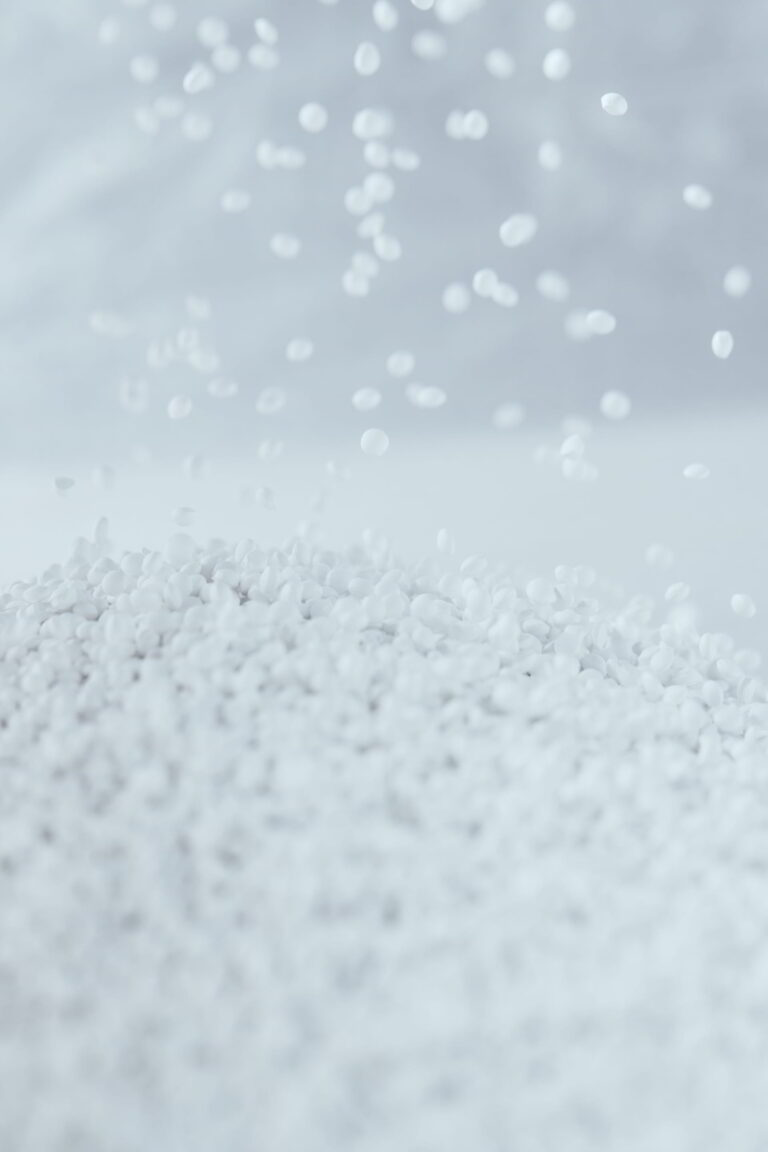
Conclusion: The added value of plastic additives
Additives for plastics are irreplaceable elements in modern production, because they are able to transform a simple resin into a high-performance material tailored to countless applications. From improving mechanical and thermal properties to introducing advanced features such as UV protection or antibacterial action, their role is indispensable for the quality, efficiency and competitiveness of plastic products.
We at Gaypa propose ourselves as your trusted partner throughout the processing, transformation and production process: through the constant search for innovative solutions, we want to offer you cutting-edge additive masterbatches and personalized advice. Our ability to develop tailor-made products, even for the most complex needs and for sectors with the most stringent regulations, allows us to support you in achieving your goals.
Contact us to find out how we can add value to your plastic products and help you achieve your goals!